

Málstofa GPMLS og Lífvísindaseturs - Decoding immune cell consciousness

Askja
stofa N-132
Málstofa GPMLS og Lífvísindaseturs fimmtudaginn 7. maí kl. 12:00-13:00 í Öskju, stofu N-132
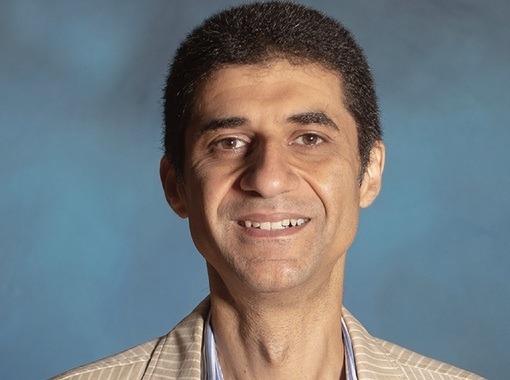
Fyrirlesari: Hossam A. Abdelsamed, Ph.D, Assistant Professor, Immunology Center of Georgia (IMMCG), Department of Physiology Medical College of Georgia, Augusta University, USA
Titill: Decoding immune cell consciousness: from epigenetic to cellular crosstalk and autoimmunity
Abstract: A cardinal feature of adaptive immunity is the ability to maintain long-lived immunological memory through antigen-independent homeostasis. Here, we show that maintenance of memory CD8 T cells’ effector potential during homeostatic proliferation is coupled to preservation of acquired DNA methylation programs, which remain stable over several rounds of cell division. These findings highlight the role of heritable epigenetic mechanisms in stabilizing T cell functional states. Building on this, we further investigated how such states may be reshaped through T-T cell crosstalk. We find that activated memory CD4 T cells drive naïve CD8 T cells toward activated/memory-like phenotypes in vitro and in vivo, which is functional and phenotypically autoreactive. Gene regulatory network analysis identifies enolase-1 (ENO1) as a key regulator of this process. Together, these results support a model in which stable epigenetic programs maintain T cell identity, while intercellular T-T cell crosstalk can reshape functional states.
Biography: Dr. Abdelsamed earned his PhD in Immunology and Microbiology from the University of Tennessee Health Sciences Center in Memphis. During his graduate training with Dr. Elizabeth Fitzpatrick, he characterized a novel type of T cell response associated with Hypersensitivity Pneumonitis (HP) and elucidating the underlying molecular mechanisms. Utilizing preclinical experimental mouse models, he uncovered a predominant T helper 17 (Th17) response linked to lung granuloma formation. Additionally, he made significant contributions to understanding of the crucial role of innate receptors in the onset of the disease.
Dr. Abdelsamed embarked on a postdoctoral fellowship at St. Jude Children’s Research Hospital in Dr. Benjamin A. Youngblood's lab. During that time, he discovered his passion for human T cell biology. In his lab, he explored the role of epigenetic modifications, specifically DNA methylation, in acquiring and maintaining transcriptional regulatory programs during memory CD8 T cell differentiation in healthy human adults. Furthermore, he established an epigenetic atlas covering various stages of human CD8 T cell differentiation, contributing to investigations into Type I diabetes-specific CD8 T cells. His efforts with Dr. Youngblood culminated in numerous high-impact publications in prestigious journals, including NEJM, Cell, Nature, Nature Immunology, JEM, and Cell Reports.
Dr. Abdelsamed later was named research assistant professor at the University of Pittsburgh School of Medicine. His focus shifted to understanding immune tolerance and the immune system's ability to distinguish between self and non-self, so-called "immune consciousness." He initiated research on immune cell cross-talk and its potential role in disease development. Notably in 2022, he published his first senior author paper in Nature-Comms Bio, demonstrating that activated memory T cells can influence and alter the phenotype and transcriptome of autologous naïve T cells.
In 2024, Dr. Abdelsamed moved to the Immunology Center of Georgia (IMMCG), Medical College of Georgia (MCG), Augusta University as an Assistant Professor (Tenure Track) to establish his independent research group. In his lab, he is expanding his research program to gain a deeper understanding of mechanisms underlying T cell cross-talk and its relevance in disease settings, particularly in chronic inflammation settings and autoimmune diseases. To decipher these complex mechanisms, he intends to employ both in vivo and in vitro approaches, combining cutting-edge imaging technology, organoids, flow cytometry, fluorescence-activated cell sorting (FACS), congenic preclinical disease models, and single cell transcriptomics,
Hossam A. Abdelsamed, Ph.D, Assistant Professor, Immunology Center of Georgia (IMMCG), Department of Physiology Medical College of Georgia, Augusta University, USA